
European youth lead the way towards digital wellbeing through Skills Upload Jr
European youth lead the way towards digital wellbeing through Skills Upload JrMore than 3,000 students from across Europe have taken part in the annual Skills Upload Jr (SUJ) Challenge, presenting creative, youth-led ideas to support digital wellbeing and promote healthier online experiences for children and young people.Skills Upload Jr Challenge reflects Vodafone Foundation’s long-term commitment to improving digital wellbeing and builds on insights from the latest Connected Childhood study, conducted in partnership with Save the Children. The study highlights that only 1 in 4 young people rate their digital wellbeing as good or very high, while nearly half worry about missing out when they are offline. In response, this year’s challenge invited students to design solutions that encourage more responsible and balanced use of technology.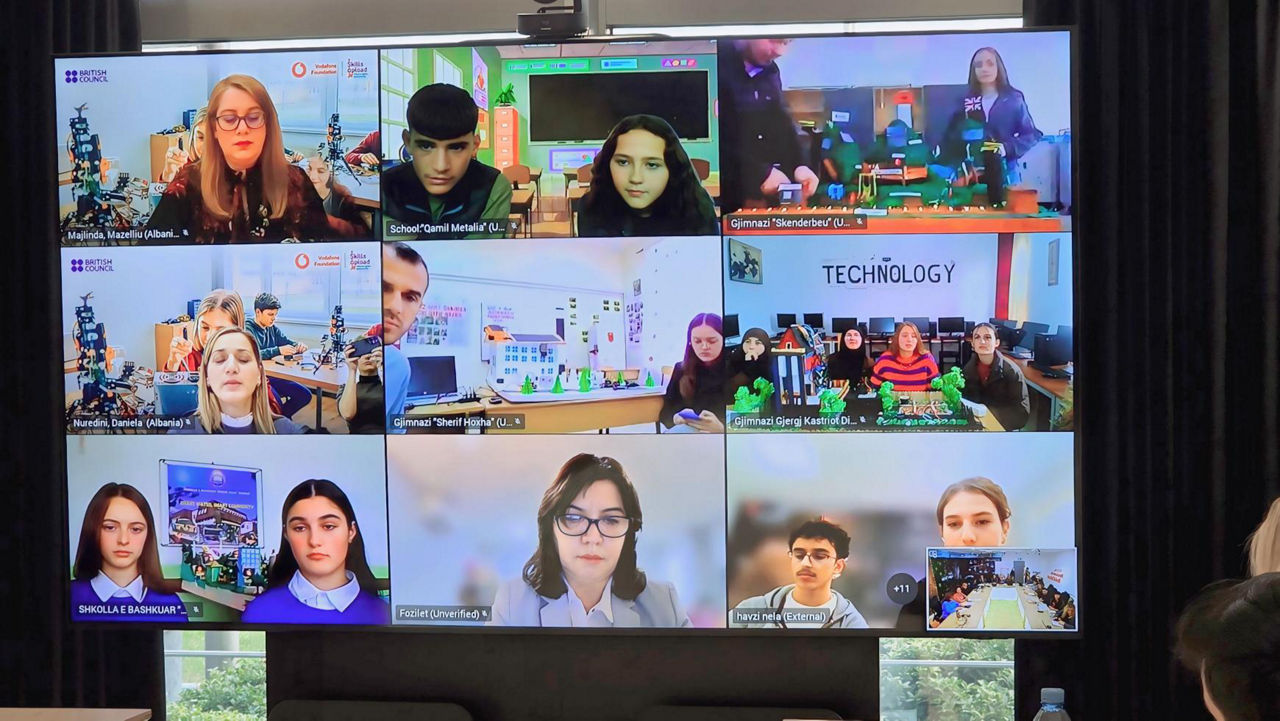 The projects presented demonstrated the complexity of young people’s digital experiences, addressing topics such as screen time, emotional health, misinformation, online safety, responsible use of devices, digital relationships, and the growing role of artificial intelligence.Students from Albania, Greece, the Netherlands, Portugal, Romania, Spain, and Türkiye participated in the challenge. During the preparation phase, students strengthened their skills through individual and group training sessions on digital wellbeing, technology, and project design, delivered by volunteers, many of whom are Vodafone and VOIS employees.The overall winner of the 2026 Skills Upload Jr Challenge was “CALMify AI,” a project developed by students from Greece. The solution proposes an AI-powered tool that detects early signs of anxiety through posture and facial expressions, triggering personalised calming music to support emotional balance and concentration in learning environments.
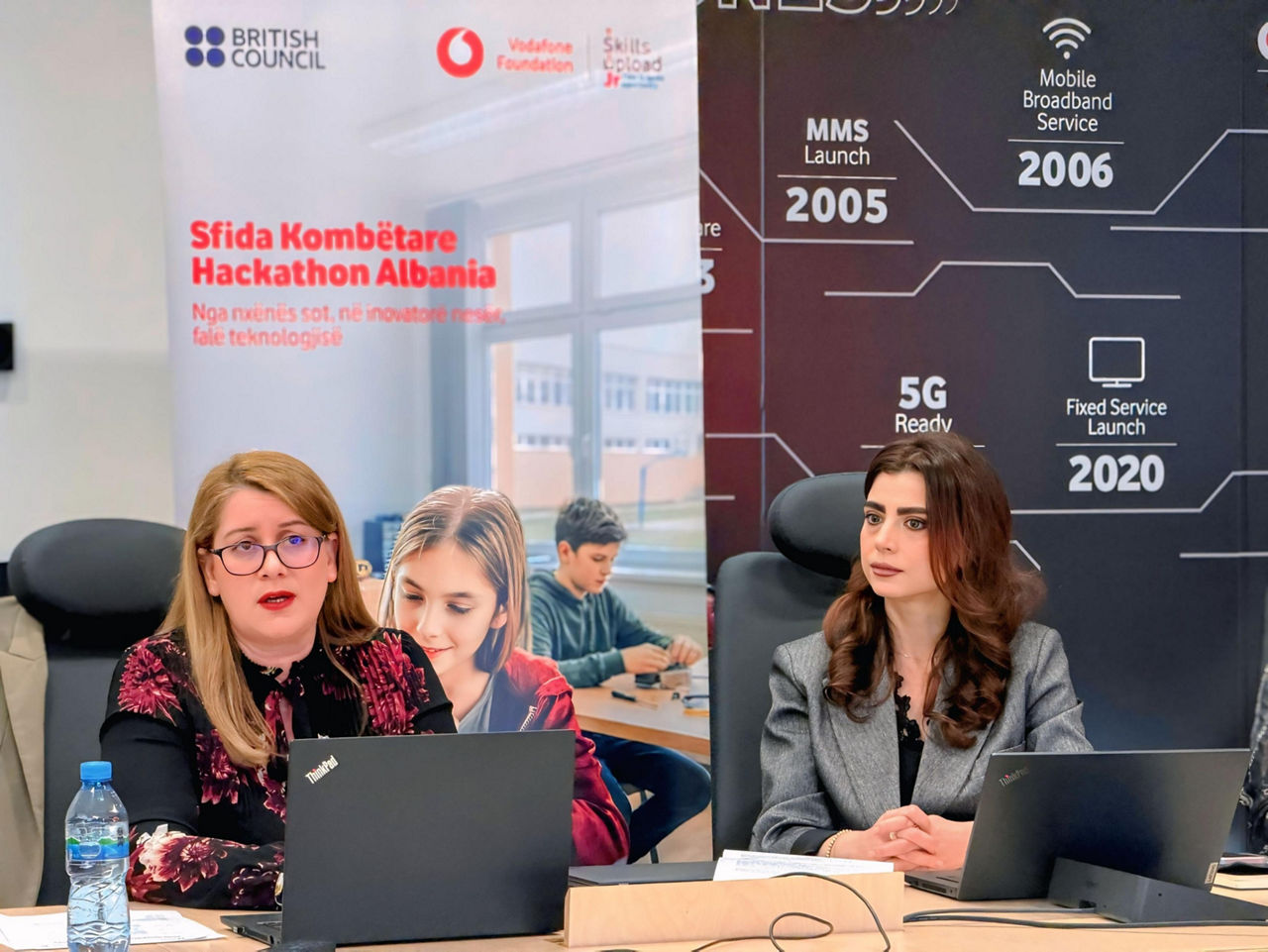 Special recognition was also awarded to projects from Türkiye, Romania, and Spain, reflecting innovative approaches to reducing screen time, supporting emotional wellbeing, and addressing the challenges of digital loneliness.Together, these projects demonstrate the power of youth-led innovation in addressing complex digital wellbeing challenges—combining technology with empathy and awareness.Lisa Felton, Director of Vodafone Foundation, said: “The Skills Upload Jr Challenge shows that young people are not only influenced by the digital world—they are shaping it. Their ideas reflect real experiences from classrooms, families and society, and highlight the importance of involving them in building a healthier digital future.”Albania was represented in this international challenge by the winner of the national Skills Upload Junior edition, organised on 2 March 2026 by Vodafone Foundation Albania in partnership with the British Council.The winning school, “Bajram Abdiu” in Kukës, represented Albania with the project “FutureReadyFarms,” which connects technology and agriculture through a smart system built using Micro:bit. The solution monitors animal health, automates feeding processes, and supports greenhouse management—bringing traditional farming into the digital age.Jonida Lakuriqi, Chair of the Board of Vodafone Foundation Albania, stated: “Bridging the digital divide is not only about access to technology, but about ensuring equal opportunities for the future. Through Skills Upload Junior, we are empowering young people to innovate and use technology to create positive impact.”
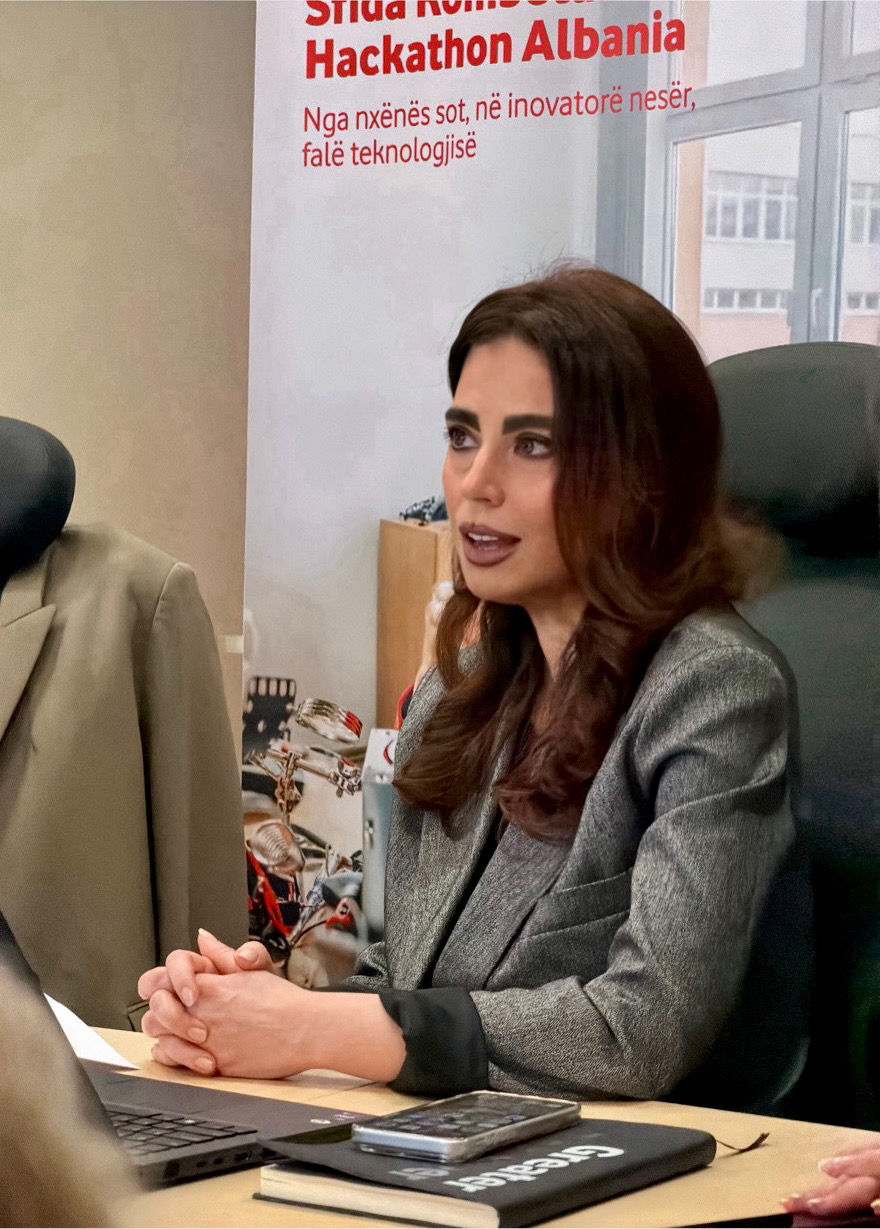 To date, the programme has delivered a significant impact in Albania, engaging thousands of students and teachers while supporting the development of digital skills and the responsible use of technology: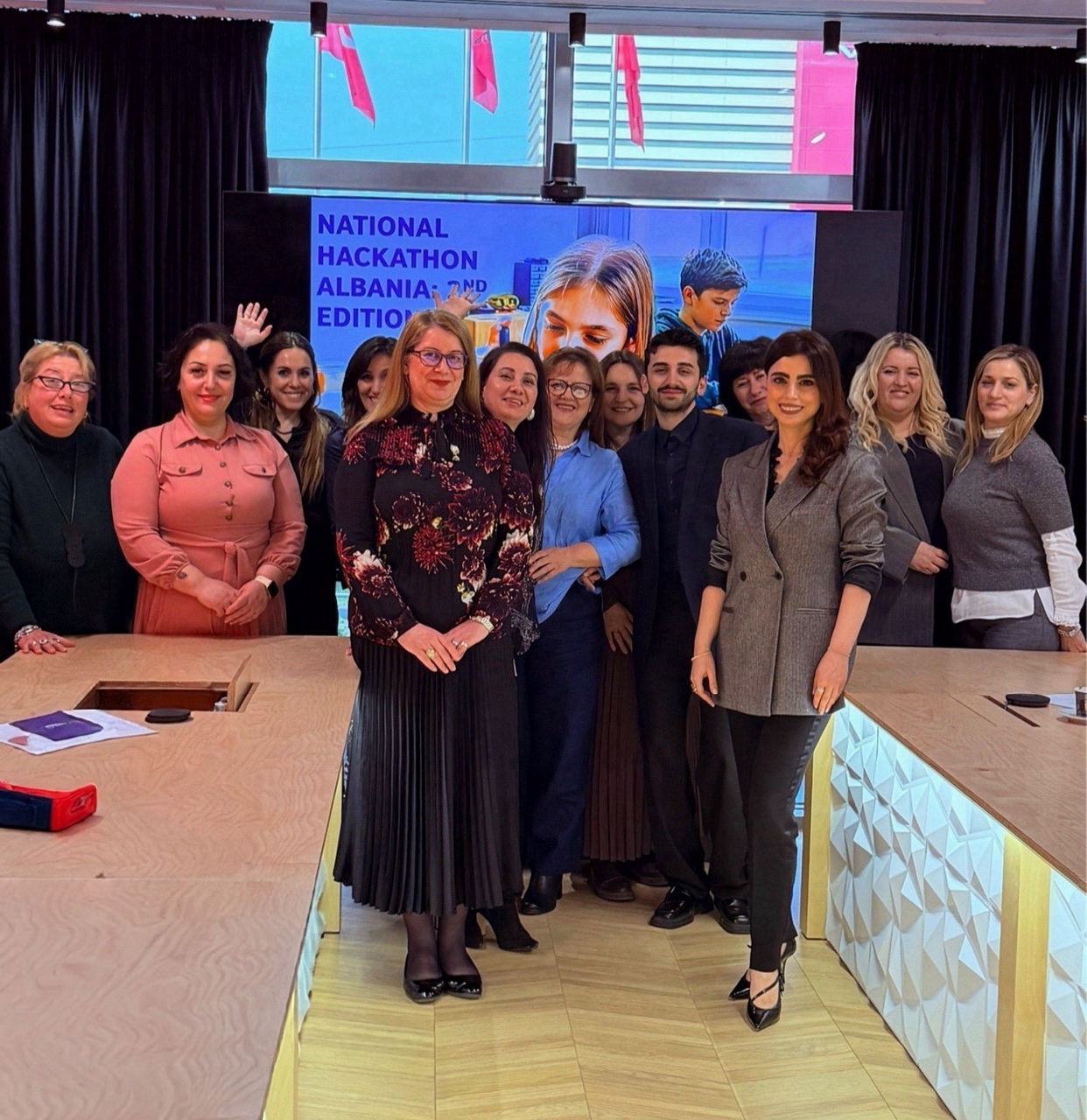
- Approximately 1,700 students aged 13–18 have been trained.
- More than 2,000 teachers from 54 schools have been engaged.
- 110 ICT teachers have been trained as programme coordinators.
- 1,100 students have completed intensive training, leading to the selection of 15 finalist schools.